Advice for High School Graduates: 15 Lessons for What Comes Next
Graduation speeches tell you to follow your dreams. This page covers the practical stuff: the habits and choices that make the next few years go well, whether you are headed to college, work, the military, or a trade.
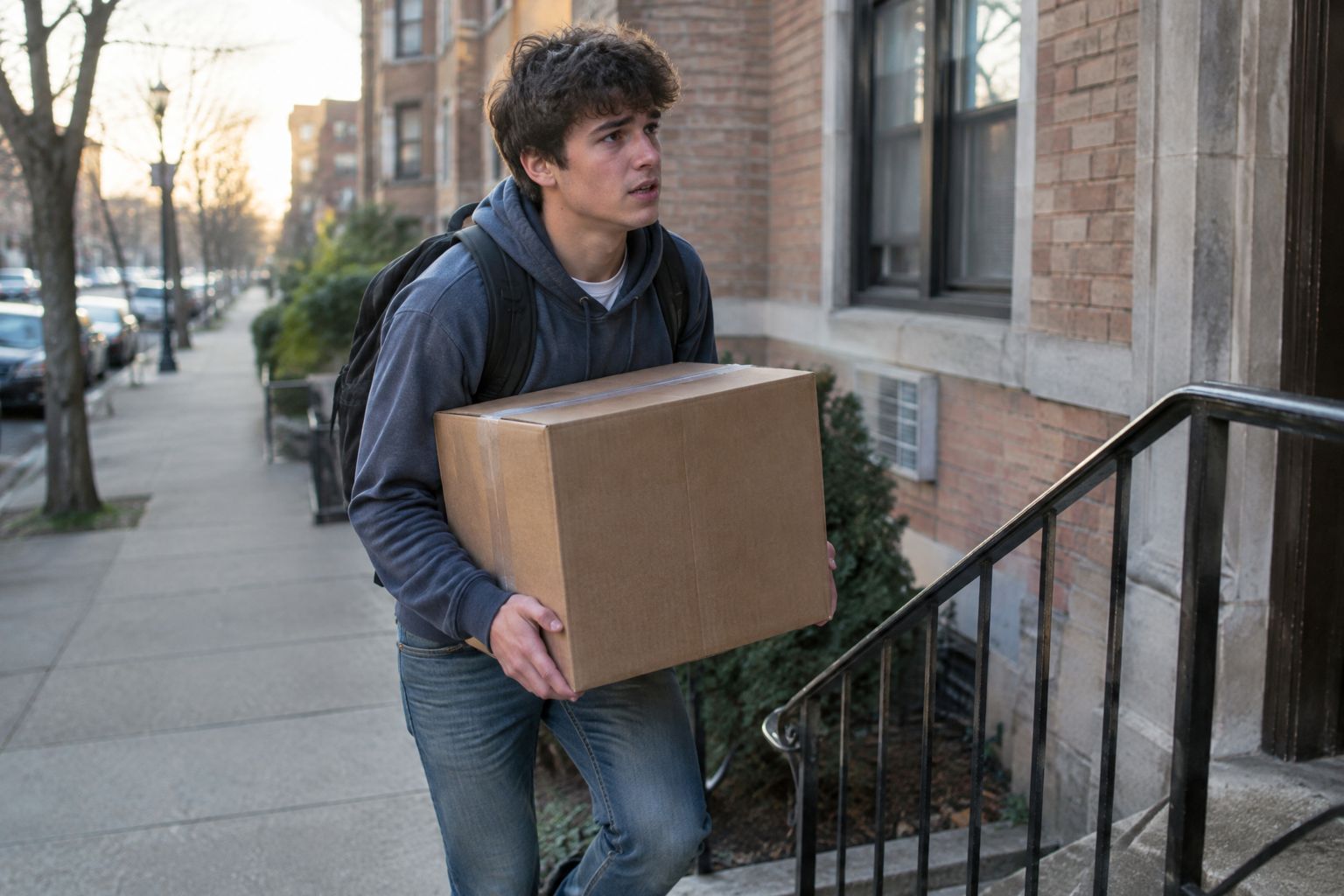
Congratulations. You made it. People will hand you cards, cash, and a lot of advice in the next few weeks. Some of it will be helpful. Some will be "follow your passion" with nothing practical behind it.
This page is the practical version. Whether you're heading to college, a job, the military, or a trade program, these are the lessons that tend to matter most in the years right after high school.
Parents and grandparents: feel free to send this straight to your graduate.
Money advice for graduates
Money is where small habits pay off the most. Getting these right at 18 can save you years of stress.
1. Save before you spend
When you get paid, put a set amount into savings first. Then live on the rest. It's the simplest money habit, and the one most people skip. Read Pay Yourself First.
2. Spend less than you make
It sounds obvious, but it's the whole game. Wealth comes from what you keep, not what you earn. See Live Below Your Means.
3. Be very careful with debt
Credit cards and loans will be offered to you, often soon after you turn 18. Borrowed money has to be paid back, with interest. Read Avoid Debt Like the Plague before you sign anything.
4. Keep an emergency cushion
Cars break. Phones crack. Jobs end. A small fund for surprises keeps a bad week from turning into a bad year. See Build an Emergency Fund.
Work advice for graduates
Your first few jobs may not be glamorous. That doesn't matter. What matters is the reputation you build.
5. Show up early
Being on time, every time, puts you ahead of a surprising number of people. Read Show Up Early, Stay Focused.
6. Own your mistakes
You will mess up. Everyone does. The people who earn trust are the ones who say, "That was me, and here's how I'll fix it." See Take Responsibility for Mistakes.
7. Don't be afraid of hard work
Hard, boring, or unglamorous work builds skills and character. It also gets noticed. Read Don't Fear Hard Work.
8. Protect your reputation
Your name follows you, from job to job and online. Read Your Reputation is Your Greatest Asset.
For more, see our first job tips for teens.
Learning advice for graduates
9. Keep learning, even if school is done
Graduation is not the end of learning. The most successful people keep picking up new skills their whole lives. See Education Doesn't End When School Does.
10. Build skills, not just credentials
A diploma or degree opens doors. Skills keep them open. Read Focus on Skills, Not Just Degrees.
11. Treat failure as a teacher
You will fail at things. A test, a job, a relationship. Each one teaches you something if you let it. See Failure is a Teacher, Not a Punishment.
Relationship advice for graduates
12. Choose your people carefully
The friends you keep after high school shape who you become. Look for people who push you to grow, not people who hold you back. Read The Right People Bring Out the Best in You.
13. Let some friendships go
Not everyone from high school will stay in your life, and that's okay. People grow in different directions. See Not Everyone is Meant to Stay.
Health and character advice for graduates
14. Take care of your body and mind
Without parents reminding you, sleep, food, and exercise slip fast. Make them a priority. Read Sleep is Non-Negotiable and Your Mental Health is as Important as Your Physical Health. If you're struggling, talking to a doctor or counselor is a strong move. In a crisis in the US, call or text 988.
15. Keep your word and be yourself
Do what you say you'll do. It's how people learn to trust you. See Your Word is Your Bond. And don't spend these years trying to be someone else. Be You says it best.
Your first month after graduation
The weeks right after graduation can feel like a long summer break. They're also a great time to set up habits before life gets busy again. A simple checklist:
- Open a savings account if you don't have one, and set up an automatic transfer from each paycheck.
- Learn to read a pay stub. Know what taxes and deductions come out and why.
- Make a list of five meals you can cook. Practice them before you need them.
- Book your own appointments. Call the dentist or doctor yourself. It's a small step that builds confidence. Prevention Beats Cure explains why checkups matter.
- Clean up your social media. Employers, schools, and future roommates may look.
- Thank the people who helped you. A teacher, coach, boss, or relative. A short note goes a long way, and it's a good habit for life.
- Set one goal for the year. Not ten. One. Write it down and tell someone you trust.
None of these take long. Together, they make the jump to adult life a lot smoother.
If you don't know what you want to do yet
Lots of graduates feel pressure to have it all figured out. Most adults didn't at 18, and many still change course later.
A few things help:
- Try things. Jobs, classes, volunteering. You learn what you like by doing.
- Talk to people. Ask adults about their work. Most are happy to share. Ask Questions Without Fear helps here.
- Build useful skills. Writing, speaking, working with numbers, fixing things. They transfer anywhere.
- Don't compare yourself to social media. Everyone posts their highlight reel.
- Stay curious. Stay Curious is a good reminder that interest often leads to direction.
A note for parents and grandparents
If you're reading this to find words for your graduate, keep it simple. Pick one or two lessons that fit them and share why. A handwritten letter often says more than a speech at the party.
Some families give a book of short lessons along with a card. Jumpstart Your Life, for example, was written by two cousins for teens and young adults at exactly this stage. Whatever you give, add a personal note. See our graduation gift ideas for more.
If your graduate is headed to campus, our college freshman advice covers that first year in more detail.
The bottom line
The years after high school are full of firsts. You don't need to get everything right. Save some money, show up on time, keep your word, pick good people, and take care of yourself. Do those things and you'll be off to a strong start.
Want all 101 lessons in one place? Jumpstart Your Life is short, practical, and written for teens.
Get the bookCommon questions
What is the best advice for a high school graduate?
Build a few solid habits early: save part of every paycheck, show up on time, keep your word, take care of your health, and choose friends who bring out your best. These small things add up faster than most people expect.
What should high school graduates know about money?
Save before you spend, live below your means, build a small emergency fund, and be very careful with credit cards and loans. Starting these habits at 18 gives you a big head start.
What do you say to a high school graduate who doesn't know what to do next?
Tell them that is normal. Encourage them to keep learning, try things, build useful skills, and talk to people doing work that interests them. A clear plan often comes from action, not from waiting.
What advice should parents give their graduates?
Keep it short and honest. Share one or two things you wish you had known, remind them you are always there, and then trust them to figure things out. Writing your advice in a letter often lands better than a speech.